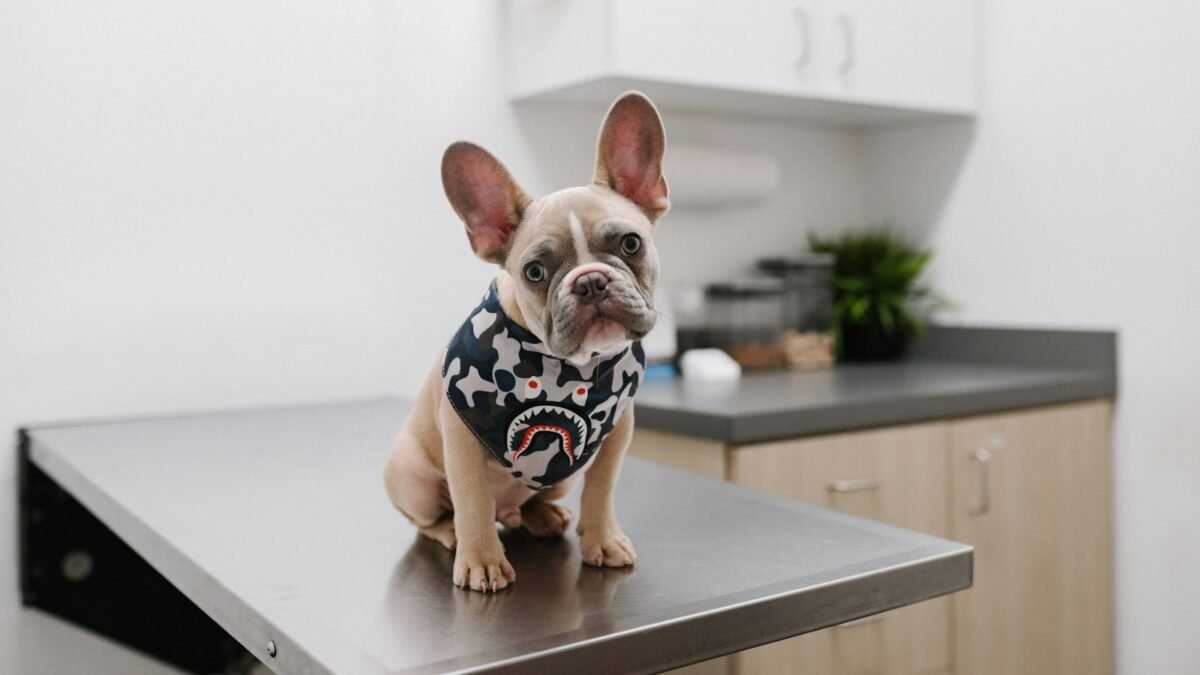
A Sydney technology entrepreneur has used artificial intelligence tools to design a personalized mRNA cancer vaccine for his dog, in what the researchers involved describe as the first case of its kind. The project combined ChatGPT, DeepMind’s AlphaFold protein-structure model and custom machine learning models, and the vaccine was manufactured at the University of New South Wales RNA Institute.
The dog, a rescue named Rosie, had been diagnosed with a mast cell tumor, a common and often aggressive cancer in dogs. Her owner, Paul Conyngham, who works in technology rather than biology, set out to build a treatment tailored to the genetic profile of her specific tumor after conventional options were limited.
How the vaccine was designed
According to accounts from Bioplatforms Australia and news coverage, the tumor was sequenced to identify mutations unique to Rosie’s cancer. Conyngham used ChatGPT to work through the biology and plan the approach, AlphaFold to predict the structure of the mutated proteins, and custom models to select the fragments most likely to trigger an immune response. Those fragments were encoded into an mRNA vaccine, the same general approach used in COVID-19 vaccines, intended to teach the immune system to attack cells carrying the tumor’s mutations.
The vaccine was produced at the UNSW RNA Institute and administered to Rosie in December 2025. The researchers report that within about a month a tumor roughly the size of a tennis ball had shrunk by approximately 75 percent.
A single case, not a proof
The people involved have been careful to describe the result as a case study rather than scientific evidence. One animal, with no control group, cannot establish that the vaccine caused the shrinkage or that the approach would work for other patients. Mast cell tumors can also respond to other treatments the dog may have received. Peer-reviewed publication of the data had not been reported at the time of the coverage.
What the case does illustrate is how far the tools for personalized medicine have spread. Protein-structure prediction, genomic analysis and vaccine design, which a few years ago required specialist teams, were coordinated here by a motivated individual with access to publicly available AI systems and a university manufacturing facility.
Parallel work in human medicine
Personalized mRNA cancer vaccines are an active area of human clinical research. Moderna and Merck are running late-stage trials of an individualized neoantigen therapy, combined with the immunotherapy Keytruda, in patients with melanoma and other cancers, with earlier results showing reduced recurrence. BioNTech is pursuing similar work. Those programs rely on the same core idea of sequencing a patient’s tumor and designing a vaccine against its specific mutations.
If such approaches prove out in rigorous trials, AI systems that can analyze a patient’s genetic data and propose a tailored treatment could become a routine part of oncology. Rosie’s case is an early, anecdotal glimpse of that possibility rather than a demonstration that it has arrived.