Refik Anadol Studio says Dataland, which it describes as the world’s first museum of AI arts, will open in spring 2026 at The Grand LA, the Frank Gehry-designed complex in downtown Los Angeles across from Walt Disney Concert Hall.
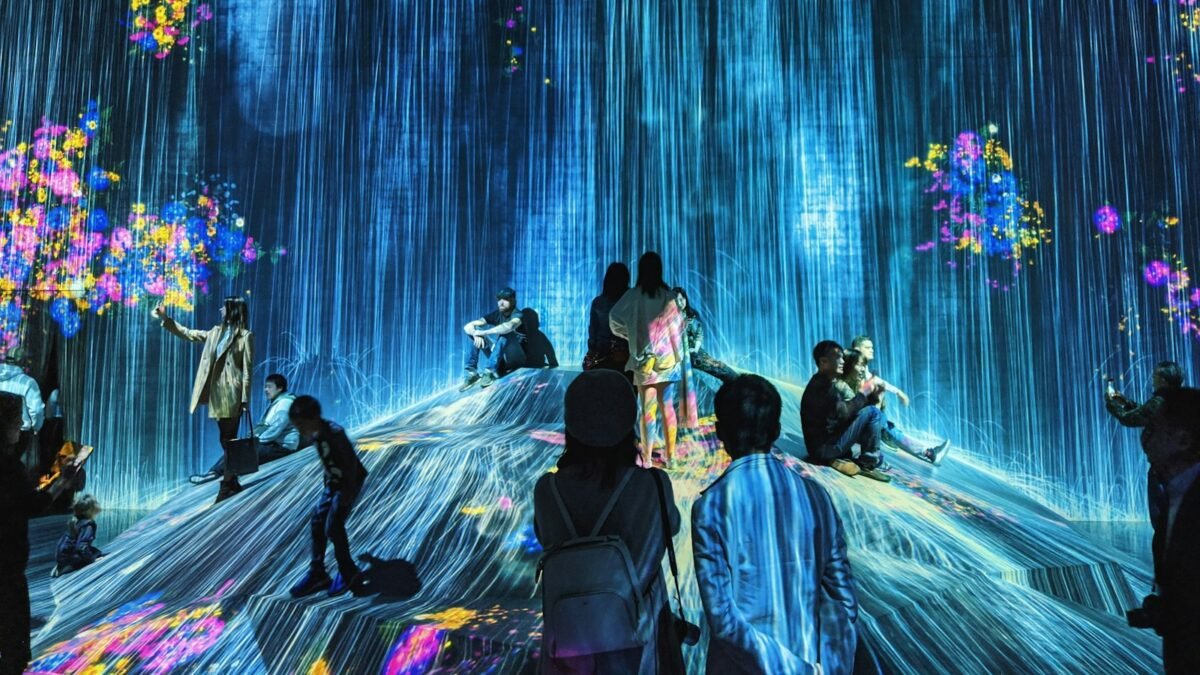
According to the studio’s announcement, the museum will occupy about 25,000 square feet and include five galleries. The centerpiece is an immersive space called the Infinity Room. The studio says the room will incorporate AI-generated scents alongside visuals and sound, which it presents as a first for an art institution.
The Large Nature Model
The works on show are produced with the studio’s Large Nature Model, a generative AI system trained on nature-related data. Anadol’s team says the model draws on material from institutions including the Smithsonian, London’s Natural History Museum and the Cornell Lab of Ornithology, and that its training set runs to hundreds of millions of images, sounds and other records of the natural world. The studio describes it as an open-source model dedicated to nature, and the resulting pieces are animated, constantly shifting visualizations meant to sit between the real and the imagined.
Anadol, a Turkish-American media artist whose data-driven installations have appeared at the Museum of Modern Art in New York and other major venues, has said the project is built on what he calls ethical AI principles. The studio states that its training data was obtained with permission and that the model’s computation runs in Google data centers in Oregon that the company says are powered by renewable energy.
Residencies and research
Dataland is intended to function as a working studio as well as an exhibition space. In partnership with Google Arts and Culture, the museum plans an artist residency program in which three artists a year will spend six months developing AI-based projects, with the results shown to the public.
The project arrives amid a broader debate in the art world about generative AI, including disputes over training data, authorship and the environmental cost of large models. Anadol’s emphasis on licensed data and renewable-powered computing is a direct response to those criticisms, though the studio’s claims about its data sourcing have not been independently audited.
What came next
The museum did open in 2026. By June of that year, the Los Angeles Times was photographing visitors in the Infinity Room during an exhibition titled “Machine Dreams: Rainforest,” confirming that the venue had moved from announcement to operation roughly on the timeline the studio set out.