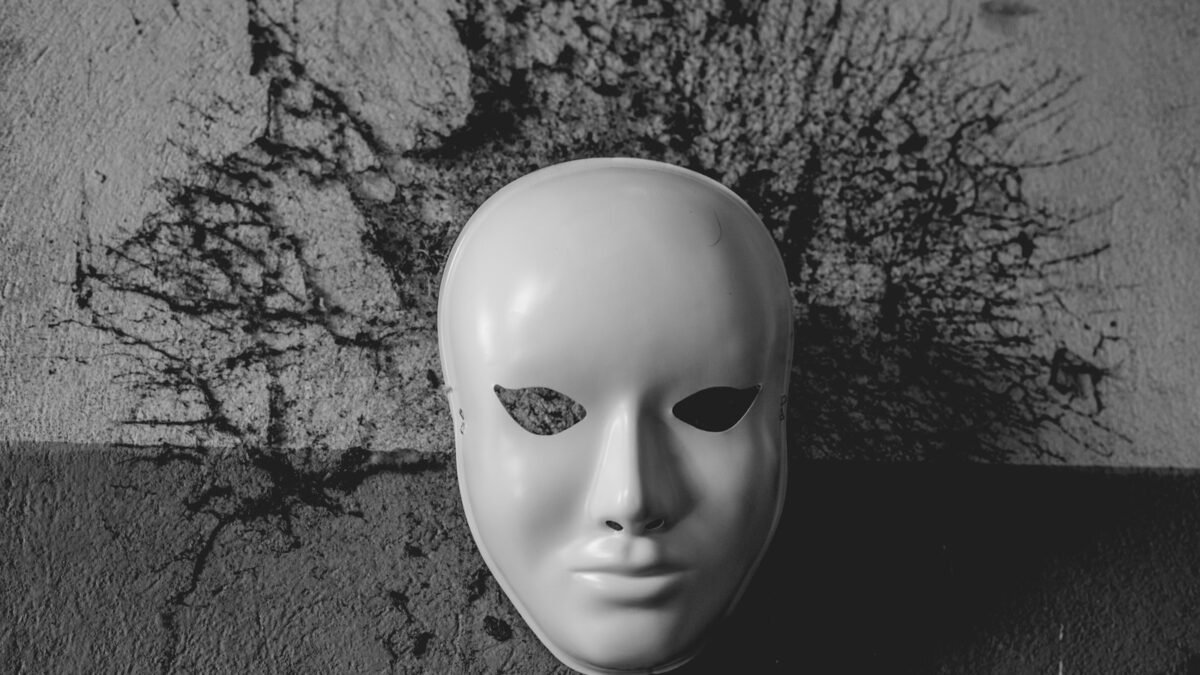
Open a social media feed on any morning and the first screen looks like a window on the world: a politician giving a speech, an actor saying something out of character, a clip of a disaster unfolding. The eye accepts it, the emotions respond, and the thumb moves toward the share button. Increasingly, some of what it shows never happened.
Artificial intelligence has created enormous new possibilities, but it has also blurred the line between the real and the fabricated. Videos that look authentic yet are entirely synthetic are now common. They are produced with deepfake techniques, in which machine learning models map one face, voice or scene onto another so convincingly that the result is hard to distinguish from genuine footage.
A quiet shift in who can fake what
The change arrived without much ceremony. A few years ago, producing a convincing fake video of a public figure required specialized skills and significant computing power. Today a smartphone app and a few seconds are often enough. Fabricated clips have placed politicians in statements they never made, and non-consensual synthetic imagery has been used to target women in ways that have upended their lives.
The purpose of such material is rarely entertainment. It erodes a basic foundation of social trust. The generation that grew up with the saying “seeing is believing” now lives in a period when seeing is no longer sufficient. The effect reaches into politics, religion, journalism and personal relationships, and a short fabricated clip can be enough to inflame hostility or violence in a community.
A problem of knowledge, not just ethics
The deeper issue is epistemic. When a viewer can no longer be confident that what they see is real, the practical meaning of truth itself shifts. That is both the power and the hazard of generative AI: it can manufacture a version of reality, but it has no way to decide what reality should be.
What forensic researchers look for
Digital forensics specialists, among them Hany Farid, a professor at the University of California, Berkeley, who works with journalists and courts on manipulated media, have described a number of warning signs. Unusually blurry footage, lip movements that do not quite match the audio, backgrounds that appear to shift, and very short clips all merit caution. Low resolution and short duration are common in fakes because compression and brevity help conceal the artifacts that detection methods rely on.
Provenance matters as much as pixels. The most important question is often who posted a clip and where it came from. A video with no identifiable origin, or one circulated by an unverified account, should be treated with suspicion regardless of how persuasive it looks.
Detection, standards and regulation
Fakes are improving as quickly as the software behind them, and the human eye is losing ground. At the same time, countermeasures are developing. Research groups and companies are building tools that examine the digital traces left in a file to assess its origin, and industry groups are promoting provenance standards that attach a verifiable record of how an image or video was created and edited.
Regulators have also begun to act. In the European Union, the AI Act includes transparency obligations that require AI-generated or manipulated content, including deepfakes, to be marked and labeled, and the European Commission has published guidelines and a code of practice to support compliance. Several US states have passed laws targeting specific uses of deepfakes, such as election interference and non-consensual intimate imagery, though there is no single federal labeling rule.
None of these systems offers complete protection. Labels can be stripped, detectors can be fooled, and laws stop at borders. As long as the viewer is not careful, no technical or legal system can fully compensate.
The viewer’s responsibility
This is a period that calls for thinking rather than simply watching. A video that provokes surprise or anger is precisely the kind that deserves a pause to consider who made it and why. Every image, clip and voice now carries a story behind it, and that story is no longer guaranteed to have a human author.
Humans built these systems to make life easier. In the process they handed machines a capability that once belonged to imagination alone: the construction of apparent reality. Truth will increasingly be recognized through judgment rather than through the eye, and that judgment may be what continues to separate people from the tools they have made.