Two years after its early AI products drew ridicule for telling users to eat rocks and put glue on pizza, Google is increasingly described in the technology industry as a leader, and possibly the front-runner, in the race to deploy artificial intelligence at scale. An analysis published by The New York Times on May 19, 2026, argued that the company’s advantage lies less in its models than in how many people already use its products every day.
The numbers behind the shift
Google said at its I/O developer conference in May that its Gemini assistant has roughly 900 million monthly users, more than double the figure from a year earlier and roughly on par with OpenAI’s ChatGPT. The company has not published a detailed breakdown of how those users are counted, and the two companies measure usage differently, so the comparison should be read as approximate.
Alphabet’s finances also set it apart from rivals that are spending heavily on data centers while losing money. The company reported in April that advertising revenue grew about 16 percent in the first quarter of 2026, and executives attributed part of the gain to AI features in Search that they say are increasing the number of queries and the value of ads shown alongside them.
Distribution as strategy
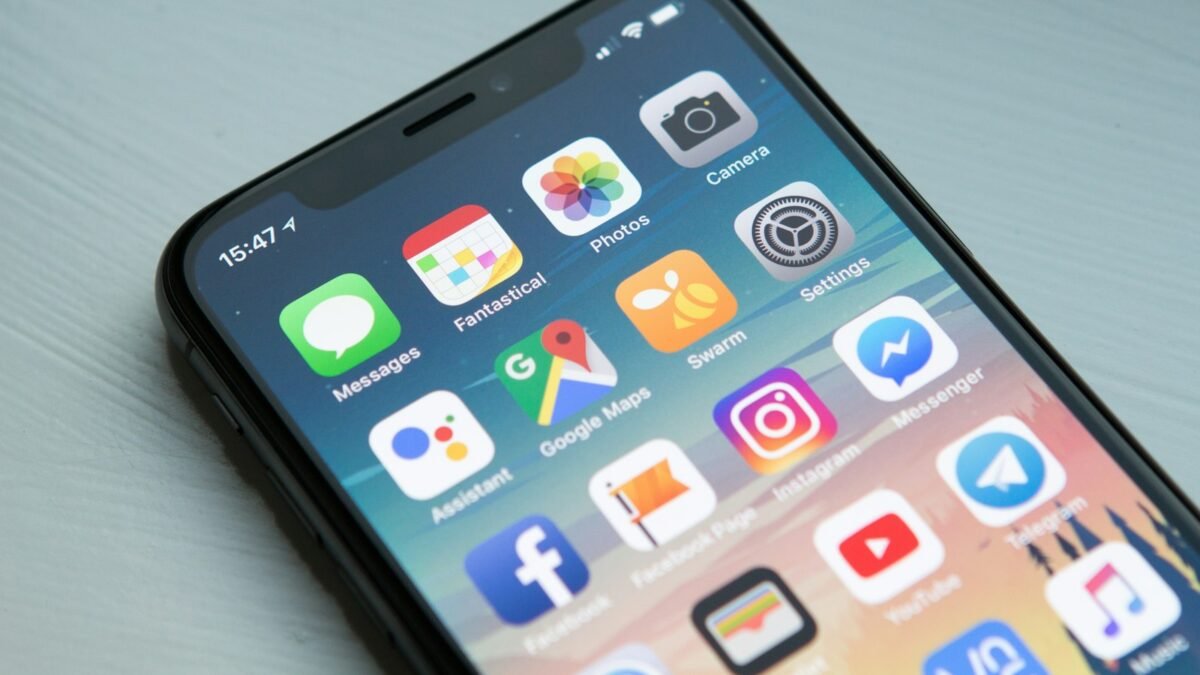
The Times analysis, written by technology columnist Brian X. Chen, pointed to several structural advantages. Gemini ships inside Android, which runs on most of the world’s smartphones, and Google and Apple have discussed using Gemini models to power a revamped Siri, which would extend Google’s reach to iPhones as well. Rather than selling AI as a standalone product, Google has woven it into Gmail, Docs, Maps and Search. In travel, for instance, Gemini can draw directly on Google Flights and Google Hotels data, giving it an edge over assistants that must rely on third-party sources.
Analysts quoted in the report said the winner in consumer AI may not be the company with the most capable model but the one that makes AI easiest to use without changing habits. On that measure, Google starts with billions of existing users.
Accuracy remains a weak point
Google’s AI still makes mistakes. The Times cited a recent analysis that found Google’s AI-generated answers were accurate about 90 percent of the time. Google disputed the study and said its accuracy rate is higher. Even so, the comeback narrative marks a sharp reversal from 2024, when the company’s AI Overviews launch was widely seen as a misstep that had left Google trailing OpenAI.