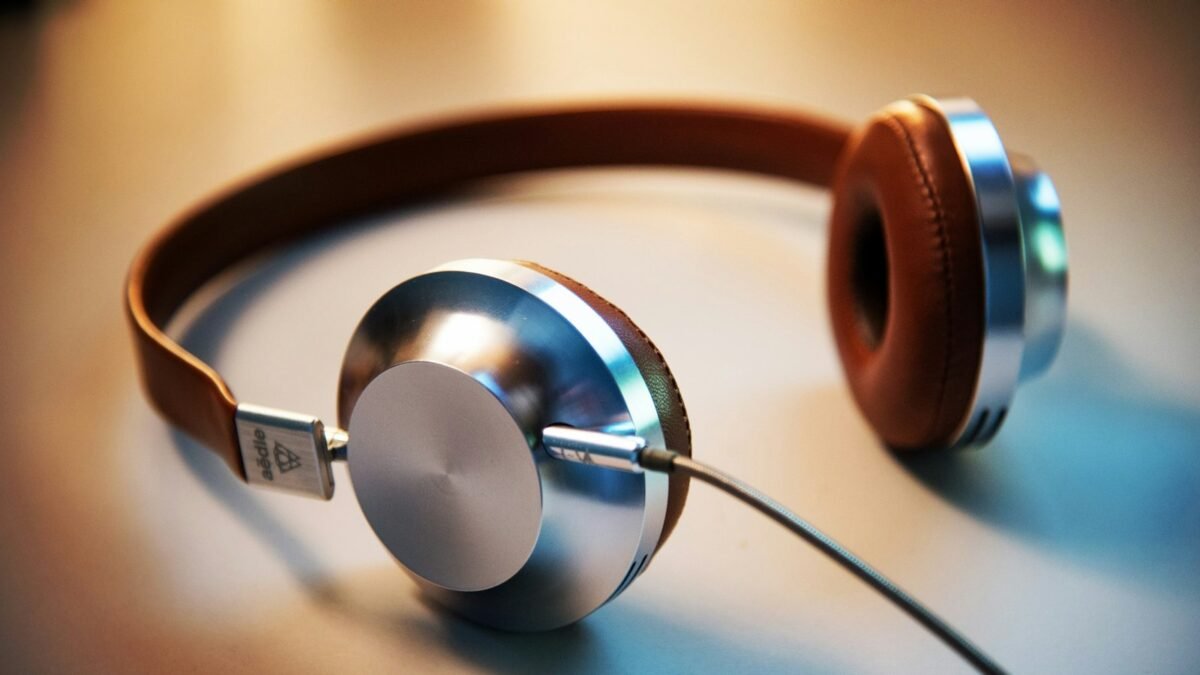
Google has updated Google Translate with a beta feature that translates spoken conversation in real time through any pair of headphones, removing a capability that was previously tied to its own Pixel Buds. The update, announced in December, also brings Gemini-based models to text translation and extends the app’s language practice feature to more countries.
Live translation without special hardware
The live speech feature runs in the Google Translate app on Android. A user wearing ordinary headphones hears a translation of what the other person is saying, while the phone’s screen shows a transcript for the other party. Google says the beta supports more than 70 languages and is rolling out first to Android users in the United States, Mexico and India, with iOS support planned for 2026.
Previously, hands-free conversational translation in Google’s products depended on Pixel phones or Pixel Buds. Opening the feature to any headphones puts it on a far larger installed base and matches moves by Apple, which introduced Live Translation for AirPods earlier in 2025, and by Samsung, whose Galaxy AI offers interpreter modes.
Gemini for idioms and slang
The second part of the update applies Gemini models to text translation on the web and in the mobile app. Google says the models handle idioms, slang and colloquial phrasing better than its earlier systems, prioritizing the intended meaning over a literal rendering. Sentences that used to come out garbled or incomplete should, according to the company, now be translated with their context intact. The improved text translation is rolling out gradually across platforms.
Translation quality claims are difficult to assess from an announcement, and Google did not publish benchmark figures alongside the update. The direction is consistent with how large language models have been applied to translation across the industry, where their strength is handling meaning and register rather than word-for-word mapping.
Practice mode expands
Google is also expanding the practice feature it added to Translate earlier in 2025 to additional countries. The feature resembles a lightweight language-learning app: it generates listening and speaking exercises tailored to the user’s level and goals, with sessions produced by AI rather than drawn from a fixed curriculum. Google positions it as a complement to the translation tools rather than a replacement for dedicated learning services.
Taken together, the changes move Google Translate further from a dictionary-style utility toward a conversational assistant for people operating across languages, a shift that Google’s rivals in both phones and AI are pursuing at the same time.