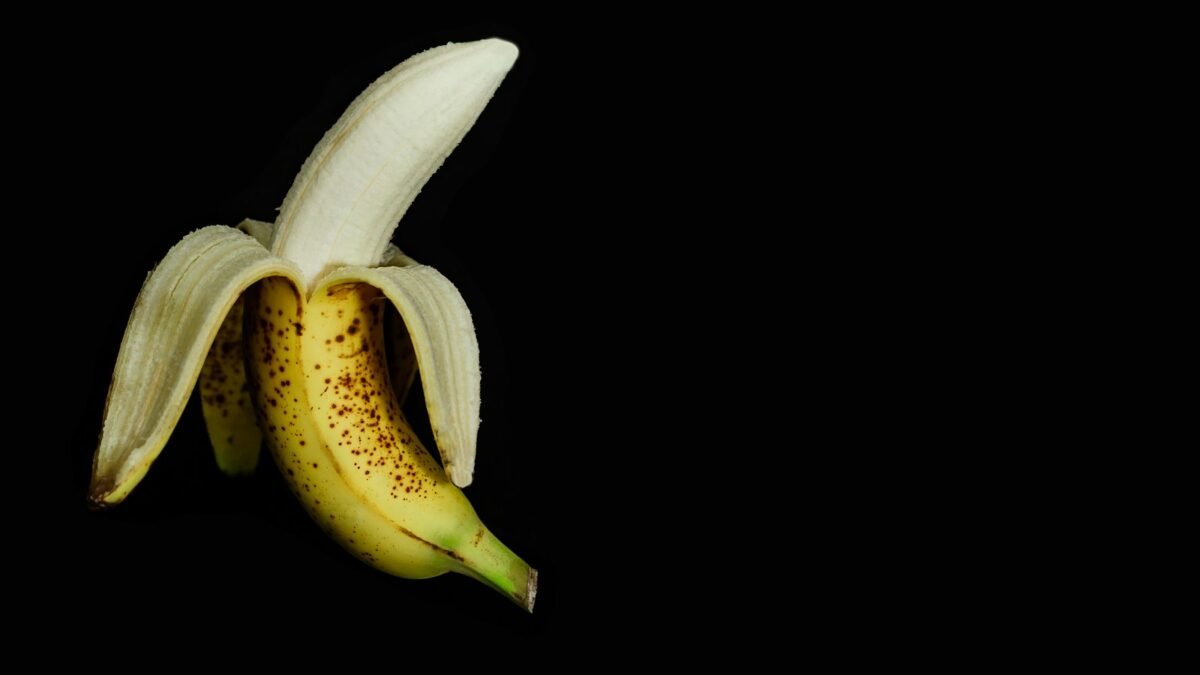
Google DeepMind’s Nano Banana is one of the most widely used AI image editing models of the past year, and one of the strangest-named. In a post on its Keyword blog on January 15, Google explained where the name came from: a late-night request, a product manager’s personal nicknames and a decision to embrace the joke.
The model’s technical name has always been Gemini 2.5 Flash Image. The newest version, built on Gemini 3 Pro Image, carries the brand name Nano Banana Pro and can generate and edit images from text, pictures or both, including with accurate, legible text.
A codename needed at 2:30 a.m.
In late July 2025, according to Google, the team was fixing bugs and running evaluations ahead of the first version’s launch. One detail remained open: a public codename for LMArena, the crowd-sourced evaluation platform where users compare anonymous responses from two models and vote for the better one. Teams often submit unreleased models to LMArena to gather early feedback, so a codename is needed to keep the model’s identity hidden.
Product manager Naina Raisinghani said the team had pushed the codename conversation to the last minute. At 2:30 a.m., another product manager messaged her to say the submission was due, and she suggested “something funny like Nano Banana.” Her colleague agreed on the grounds that it was completely nonsensical.
The idea came from her own nicknames. Some friends call her “Naina Banana,” she said, and others call her “Nano” because she is short and likes computers. Combining the two produced a name that also happened to suit a lightweight Flash model.
From anonymous test to global brand
Nano Banana appeared on LMArena in early August 2025. Google says users were struck by its editing ability, including keeping a person’s likeness consistent and blending several images into one, and then noticed the name, which fueled speculation on social media about who had built it. After a few weeks, the team hinted on X that Google was behind the model.
When the model launched officially, it became the top-rated image editing model on LMArena. People used it to try on new looks, restore and remix photos, make targeted edits and build custom apps. Raisinghani attributed part of its success to availability: the model was released to consumers and developers in every market on the same day, and culturally specific prompts went viral region by region, including a figurine trend that began in Thailand and a saree trend in India.
Although the official product name stayed Gemini 2.5 Flash Image, the Nano Banana brand stuck. Google turned the model’s run button in AI Studio yellow, added a banana emoji to the “Create image” option in the Gemini app and produced limited-edition banana-themed merchandise. When Gemini 3 Pro Image arrived, the brand was upgraded along with it to Nano Banana Pro.
Raisinghani said the team decided to lean into the silliness, even if its members remain divided on banana puns. The episode is a small example of how, in a crowded market, an accidental and memorable name can do as much for a product’s reach as its technical performance.