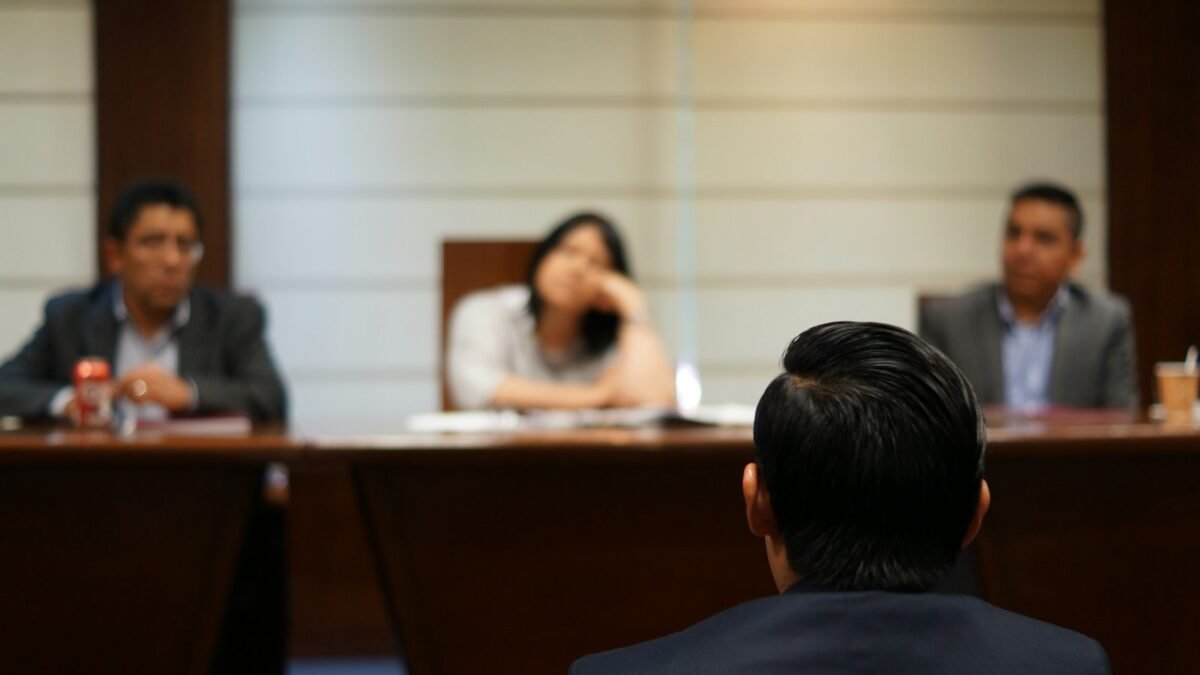
The lawsuit Elon Musk brought against OpenAI and its chief executive, Sam Altman, went to trial in federal court in Oakland, California, on April 28, with Musk taking the stand on the first day. The case turns on a narrow legal question, whether OpenAI betrayed commitments it made when Musk helped fund it, but it has become a public argument about something larger: whether a company founded to develop artificial intelligence for the benefit of humanity can be held to that promise once it is worth hundreds of billions of dollars.
How the dispute began
OpenAI was founded in 2015 as a nonprofit research lab. Musk was among its founding donors and board members, and the organization’s stated purpose was to ensure that advanced AI would not be controlled by a handful of companies. Musk left the board in 2018.
In 2019, OpenAI created a for-profit subsidiary to raise the capital needed to train large models, and Microsoft became its biggest investor. The company has since restructured further, and its valuation has climbed into the hundreds of billions of dollars. Musk sued in 2024, arguing that the shift away from the nonprofit mission amounted to a breach of the founding agreement and that he had been misled about the organization’s direction.
What each side argues
Musk’s position, as laid out in court filings and his testimony, is that OpenAI took donations and talent under the banner of a public-benefit mission and then converted them into a commercial enterprise that enriches its executives and investors. He is seeking remedies that could unwind parts of the restructuring.
OpenAI’s position is that Musk supported a for-profit structure himself while he was involved, sought control of the company, and walked away when he did not get it. The company has characterized the suit as an attempt by a competitor, Musk’s xAI, to slow down a rival. Internal emails disclosed in the litigation have been used by both sides to support their accounts.
Why the outcome matters
Commentators have noted the irony that two of the world’s wealthiest men are each accusing the other of greed; a New York Times opinion column likened the falling-out to the betrayal in Shakespeare’s Julius Caesar. Beneath the personal drama, the stakes are structural.
If Musk prevails, the ruling could constrain how OpenAI raises money and operates, and it could open space for competitors, including xAI. If OpenAI prevails, critics argue the result will confirm that an organization can begin as a public-interest nonprofit and become a conventional profit-seeking company with little external accountability.
The trial has also served a function that regulators and legislators have not: it has forced internal decisions, communications and strategies at one of the most influential AI companies into the public record. Legal scholars following the case have observed that litigation between powerful private parties is, for now, one of the few mechanisms that produce that kind of disclosure.
Whatever the verdict, the case highlights a gap. Governments have been slow to set rules for how frontier AI developers are governed, and the question of who AI is built for, and who answers for it, is being settled in a courtroom between two billionaires rather than through public policy.