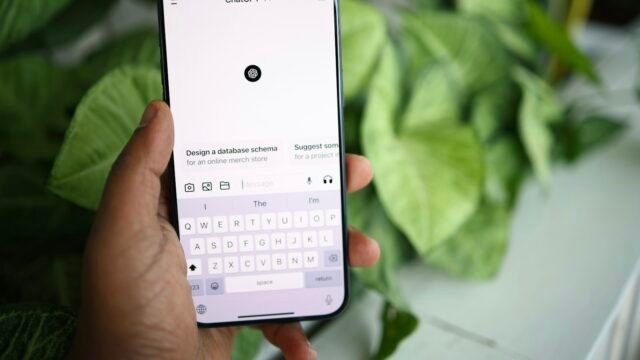
OpenAI on Wednesday, December 17, launched an app directory inside ChatGPT and began accepting submissions from third-party developers, a step the company had promised when it previewed its Apps SDK in October. Users can now browse apps that run inside the chatbot, and developers can submit their own for review and publication.
The directory is the clearest sign yet that OpenAI wants ChatGPT to function as a platform where other companies’ services live, rather than as a standalone question-and-answer tool.
Connectors become apps
Alongside the directory, OpenAI has reorganized existing features under the new “Apps” label. The connectors that previously linked ChatGPT to services such as Google Drive and Dropbox are now presented as apps, grouped into categories that include file search, research and data synchronization. The change is largely a rebranding of capabilities that already existed, but it puts first-party integrations and third-party apps in the same place for users.
Developers build these apps with the Apps SDK, which OpenAI introduced in preview at its DevDay conference on October 6, 2025. The SDK is based on the Model Context Protocol, an open standard for connecting AI models to external tools and data, and it lets an app render an interactive interface inside a ChatGPT conversation rather than returning plain text.
Apps that do things, not just answer
The launch partners OpenAI has highlighted show the kind of experience it is aiming for. Examples cited at the October announcement and in subsequent updates include building a playlist through Apple Music and ordering groceries through DoorDash without leaving the chat. The company’s stated goal is for users to complete tasks inside ChatGPT, from planning to purchase, with the assistant calling the relevant service at the right moment.
OpenAI said in a November 13 update that apps were available in preview to ChatGPT Business, Enterprise and Edu customers, and the December directory launch extends discovery to the broader user base. Submitted apps go through a review process before they appear in the directory, according to the company.
No business model yet
One significant question remains open: how OpenAI and developers will make money from apps. The company has not announced revenue sharing, listing fees or a payments system for the directory. In its October announcement, OpenAI said it would explore monetization options for digital goods over time, and the December update does not go further than that.
The rollout follows the schedule OpenAI set at DevDay, where it said a full app directory and developer submissions would arrive before the end of the year. The company has run a version of this experiment before: its GPT Store, launched in January 2024, allowed users to publish custom chatbots but never developed a widely used payment model. The Apps SDK approach differs in that it brings existing services into ChatGPT rather than asking users to build new ones from prompts.
If the directory gains traction, ChatGPT would join the small group of consumer software products that host a developer ecosystem of their own, a position that has historically translated into durable platform advantages for operating systems and app stores.