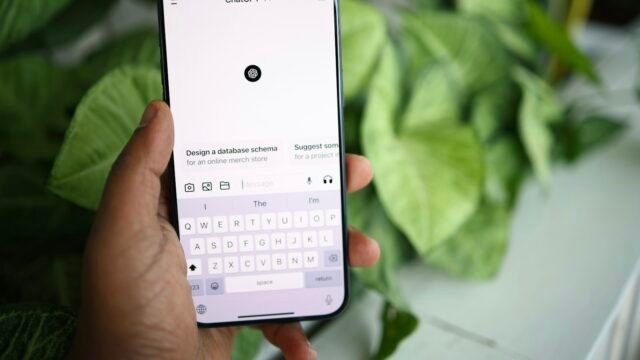
OpenAI is reshaping ChatGPT from a question-and-answer chatbot into a platform where third-party apps run, purchases are completed and information arrives before the user asks for it. A cluster of announcements between late September and the company’s DevDay conference on October 6, 2025, lays out that direction.
Apps inside the chat
The centerpiece of DevDay was apps in ChatGPT. Users can now call up services such as Spotify, Canva, Coursera, Figma, Expedia and Zillow directly within a conversation, either by naming the app or by having ChatGPT suggest one when it is relevant. OpenAI says the apps render interactive interfaces inside the chat, so a request to play music or build a presentation is handled in place rather than through a link.
Alongside the launch, OpenAI released a preview of the Apps SDK, a developer toolkit built on the open Model Context Protocol. The company says developers can build and test apps now and that it plans to begin accepting app submissions for review later in the year, with a directory of approved apps to follow. OpenAI has also said it intends to let developers monetize apps, which analysts have compared to the early days of a mobile app store.
Pulse: ChatGPT that speaks first
On September 25, OpenAI began previewing ChatGPT Pulse for Pro subscribers on mobile. Pulse works overnight on a user’s behalf, drawing on chat history, saved memory and optionally connected apps such as Gmail and Google Calendar, and presents a set of personalized briefing cards each morning. OpenAI describes it as a step toward an assistant that proactively brings useful updates rather than waiting for a prompt.
Shopping without leaving the conversation
On September 29, OpenAI introduced Instant Checkout, which lets US users buy products from Etsy sellers inside ChatGPT, with more than a million Shopify merchants expected to follow. The feature is built on an Agentic Commerce Protocol that OpenAI developed with Stripe and released as an open standard, allowing other merchants to accept purchases initiated by the assistant.
Video, voice and personalization
OpenAI released Sora 2, its latest video generation model, on September 30 together with a standalone Sora app for iOS. The model adds synchronized audio and improved physical realism, and DevDay added it to the API for developers. Those capabilities sit alongside the image generation and voice features already in ChatGPT, giving the product a broad multimodal toolkit.
ChatGPT’s memory features, which let the assistant recall preferences and prior conversations, underpin the personalization that Pulse and app recommendations rely on. OpenAI has been expanding memory access across subscription tiers through 2025.
Hardware remains unconfirmed
Reports that OpenAI is developing a consumer hardware device, following its acquisition of designer Jony Ive’s startup io earlier in 2025, continue to circulate, but the company has not announced a product or a timeline. Anything in that category remains speculative.
Taken together, the announcements show OpenAI positioning ChatGPT as the place where tasks get completed, not just discussed: an interface that can run software, make purchases and surface information on its own. How quickly developers and merchants adopt the platform will determine whether that ambition holds.