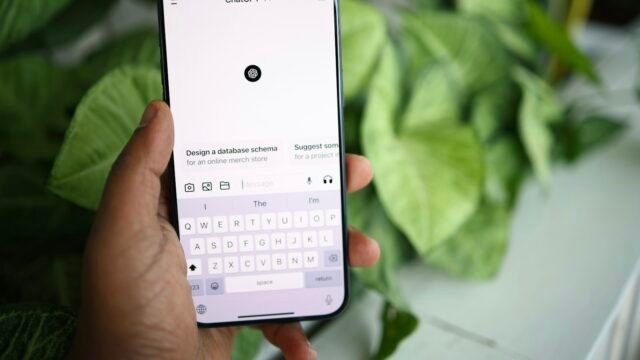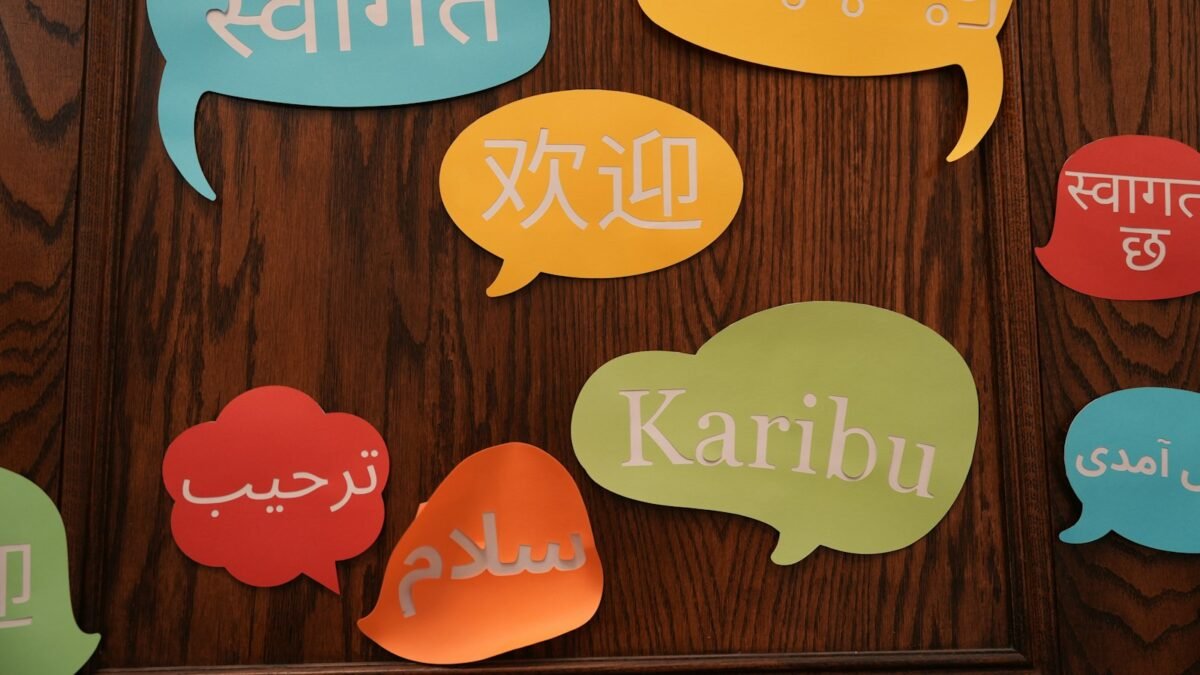
OpenAI on January 15 released ChatGPT Translate, a standalone web-based translation tool that works outside the main chatbot interface and supports more than 50 languages. The launch came without an announcement from the company and was first noticed by users and trade publications, according to Slator and TechSpot.
The tool places OpenAI in direct competition with Google Translate, which has dominated consumer machine translation for nearly two decades.
Translation with a choice of tone
ChatGPT Translate is presented as a dedicated page rather than a feature buried inside a chat. Its most distinctive option is tone control: with a single selection, users can ask for a translation in a business register, an academic style or casual everyday language. That reflects the underlying large language model, which can adjust phrasing for audience and context in a way that older statistical and neural translation systems were not built to do.
The interface resembles Google’s, with source and target text side by side, according to TechSpot. Users do not need a paid ChatGPT plan to try it.
Where it falls short of Google
At launch the tool handles text only. It does not translate images, full documents or websites, all of which Google Translate has supported for years, and Google’s service covers a far larger number of languages. For people who work across formats, Google’s product remains the more complete option.
Google has also been upgrading its own system. The company has said it is using its Gemini models to improve Google Translate’s handling of context and fluency, and it has added features such as live conversation translation and language practice. In terms of breadth and features, Google retains a clear lead.
A signal rather than a takeover
The quiet rollout suggests OpenAI is testing demand rather than mounting a full assault on Google’s position. Still, the product points to where the company sees an opening: translation that adapts to purpose and audience instead of swapping words from one language to another. For business, academic and professional users, getting the register right can matter as much as getting the vocabulary right.
Whether ChatGPT Translate becomes a serious alternative will depend on how quickly OpenAI adds document and image support and how its accuracy compares with Google’s across less widely spoken languages. For now, the two tools reflect different strengths: Google’s reach and format coverage against OpenAI’s flexibility in tone and context.