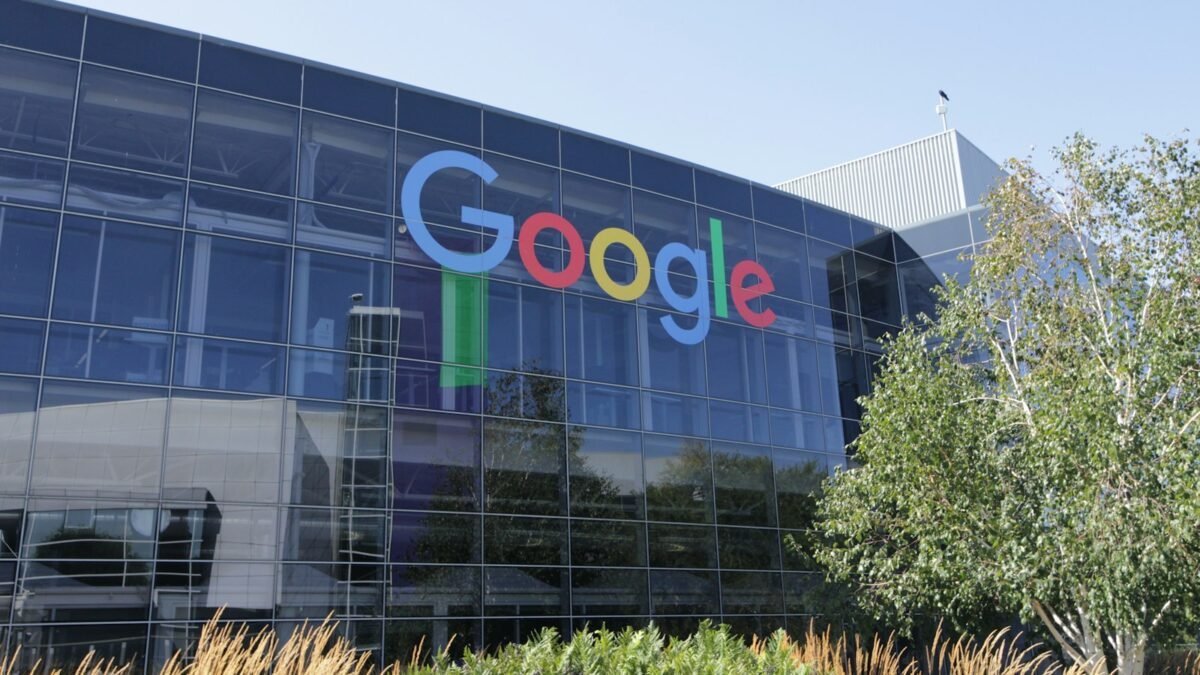
Google chief executive Sundar Pichai used the company’s I/O 2026 developer conference, held May 19 to 20 in Mountain View, California, and a series of interviews afterward to describe what Google is calling the “agentic Gemini era”: a shift from AI that answers questions to AI that carries out tasks on a user’s behalf.
Pichai said in those conversations that the pace of progress is fast enough that the AI systems people use today may look rudimentary within about three years, comparing the current moment to the period just before smartphones displaced older handsets. He described the technology as still at an early stage despite the attention it receives.
What Google announced
The centerpiece of the conference was Gemini Spark, which Google describes as a cloud-based personal assistant that can plan and complete multistep tasks across Google services and third-party apps rather than simply returning information. Google also introduced Gemini 3.5 Flash, a faster and cheaper model in its Gemini 3.5 family, and Gemini Omni, a model built for combined audio, video, image and text input and output.
Taken together, Google says the releases are aimed at an assistant that can handle planning, decisions and routine digital chores for users, with the Gemini app, Search, Android and Workspace all gaining agent features over the coming months.
An unusual admission
Pichai also acknowledged public unease about the speed of AI-driven change, saying the company understands that rapid transformation makes people anxious. In a notable departure from the usual keynote tone, he conceded that Google still trails some competitors in certain areas, singling out agentic coding, where tools from rivals such as Anthropic and OpenAI have gained ground with developers.
The comments reflect how the competitive focus in AI has moved. The contest among the major labs is increasingly about which company can build agents that act reliably and autonomously in the real world, rather than about which has the most capable chatbot.