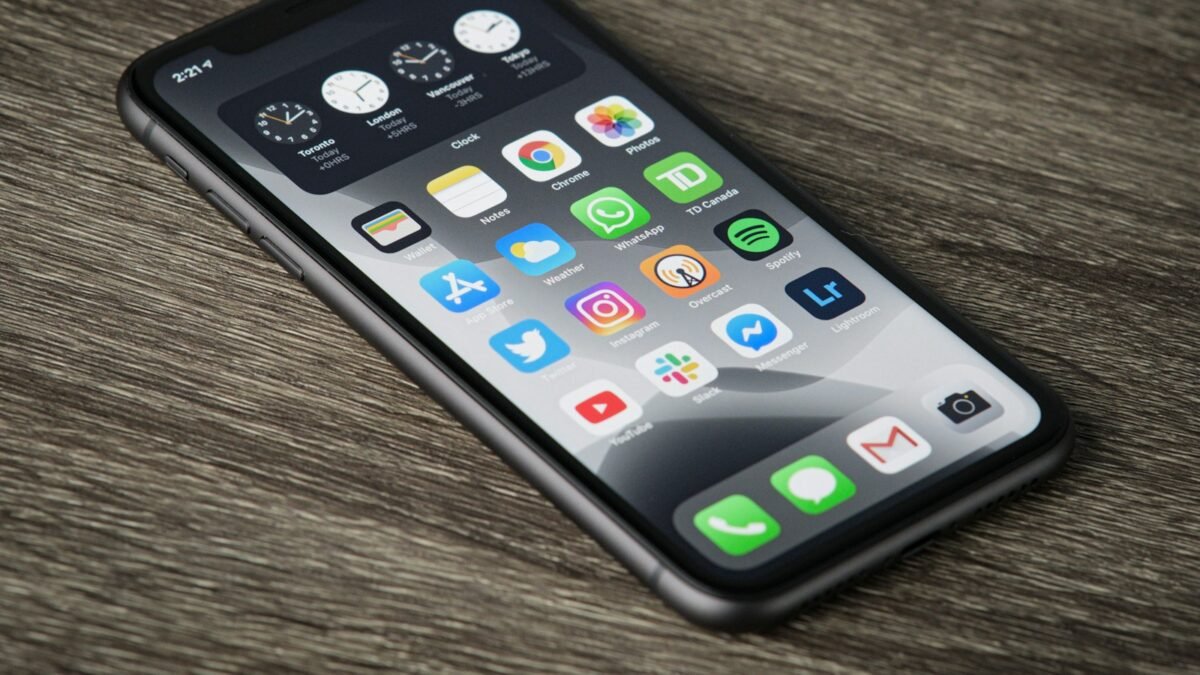
Replit, the AI coding startup, on January 15 launched a feature that lets users create iPhone apps by describing what they want in plain language and then publish them to Apple’s App Store, extending the “vibe coding” approach from web apps to mobile.
The company says its AI agent handles the app’s structure and code, so users do not need to know Swift or set up a traditional development environment. The feature, called Mobile Apps, also includes a direct integration with the payment processor Stripe, which Replit says allows creators to charge for their apps or add in-app purchases without separate setup.
Competing in a crowded market
The launch puts Replit in closer competition with other tools built around AI-generated code, including Cursor, the editor made by Anysphere, and Anthropic’s Claude Code. Both have reported rapid growth in revenue and valuation over the past year as developers and non-developers alike have adopted AI assistants that can write and run code from natural-language instructions.
Replit has positioned itself at the more accessible end of that market, aiming at people who want to build software without learning to program. Mobile apps have been a notable gap, since Apple’s review process, developer accounts and platform-specific tooling add friction that web deployment does not have. According to CNBC, the new feature is meant to remove much of that barrier.
Security concerns follow the speed
The expansion comes as security researchers raise questions about the quality of software produced with little human review. Recent studies of apps built with AI coding tools have found weaknesses in areas such as permission handling and business logic, the kinds of flaws that automated generation can introduce when a tool fills in details the user never specified. The security firm Tenzai has argued that apps built this way should go through a security assessment before they are published, according to reporting on its research.
Apple’s App Store review offers some protection against obviously broken or malicious apps, but it is not designed to catch subtle logic or data-handling errors in otherwise functional software.
Lower barriers, same responsibilities
Replit’s Mobile Apps feature lowers the cost and skill needed to ship an iPhone app, which is likely to bring a wave of small, single-purpose apps from people who have never written code. It also shifts more responsibility onto the tools and the people using them. The AI can generate the app, but making sure it handles payments, user data and permissions correctly still calls for human review.