Search engine optimization once meant one thing: getting a web page to rank high on Google’s results page. That goal has not disappeared, but it now sits alongside a different one. Increasingly, the systems deciding what people read are AI models that summarize the web and answer questions directly, and content has to be legible to those systems as well as to human readers.
The practice that has grown up around this is often called AI SEO, or more formally generative engine optimization (GEO). Its aim is to make articles, product pages and other content likely to be drawn on, and cited, in the answers produced by ChatGPT, Google’s AI Overviews, Perplexity and similar tools. When a user asks a question and the answer quotes or links a publisher’s page, that placement can matter more than a conventional ranking, because many users now read the answer rather than clicking through a list of links.
How the main platforms differ
ChatGPT has become one of the largest consumer AI products, and many people use it for research and information as much as for conversation. When it browses the web, it synthesizes material from multiple pages and, in many cases, shows the sources it drew on. Clear writing, accurate references and a tight focus on the topic improve the odds that a page is treated as a reliable source.
Google’s AI Overviews appear at the top of some search results and provide a generated summary with links to supporting pages. Google’s own documentation for site owners says there is no special optimization required beyond its long-standing guidance on helpful, people-first content, and that pages must be indexable and eligible to appear as snippets in order to be cited. Well-structured pages with clear headings and sourced claims tend to be easier for these systems to summarize.
Perplexity, an AI search engine, attaches citations to every answer and emphasizes transparency about where information comes from. Content that is factual, plainly written and attributable has the best chance of being referenced there.
What AI systems reward
The most important factor is credibility. Generative systems, and the ranking systems that feed them, favor material grounded in direct experience, research or authoritative information. Articles with a named expert author, a reputable brand or institution behind them, and references for their claims are treated as more trustworthy. This mirrors the “experience, expertise, authoritativeness and trust” framework Google has used for years in its search quality guidelines.
Structure comes next. Short, organized paragraphs, FAQ sections and how-to formats are easier for a model to parse than long, winding prose. Leading with the answer and following with detail helps both machines and readers.
Freshness matters as well. Pages that are not updated tend to be passed over in favor of ones with recent data, current references and new examples, which signal that the content is still relevant.
Linking out to credible sources, such as research reports, university sites and established news organizations, supports a page’s authority. Relying on anonymous or unverifiable sources has the opposite effect, and a claim with no support behind it is less likely to be picked up.
GEO and AEO
Two terms have emerged for this shift. Generative engine optimization, the subject of a growing body of academic work including a 2025 paper on arXiv, describes writing content so that AI systems can summarize and attribute it accurately. Answer engine optimization (AEO) is the related practice of structuring content as a direct, clear answer to a specific question. In both cases, the objective is not simply a click but inclusion in the answer the user actually sees.
Technical basics still apply
The fundamentals of technical SEO have not gone away. A site that is slow, not mobile-friendly or served without HTTPS is at a disadvantage with automated systems as well as with Google’s conventional ranking. Page speed, clean structure and readability all influence whether a page is indexed, understood and reused.
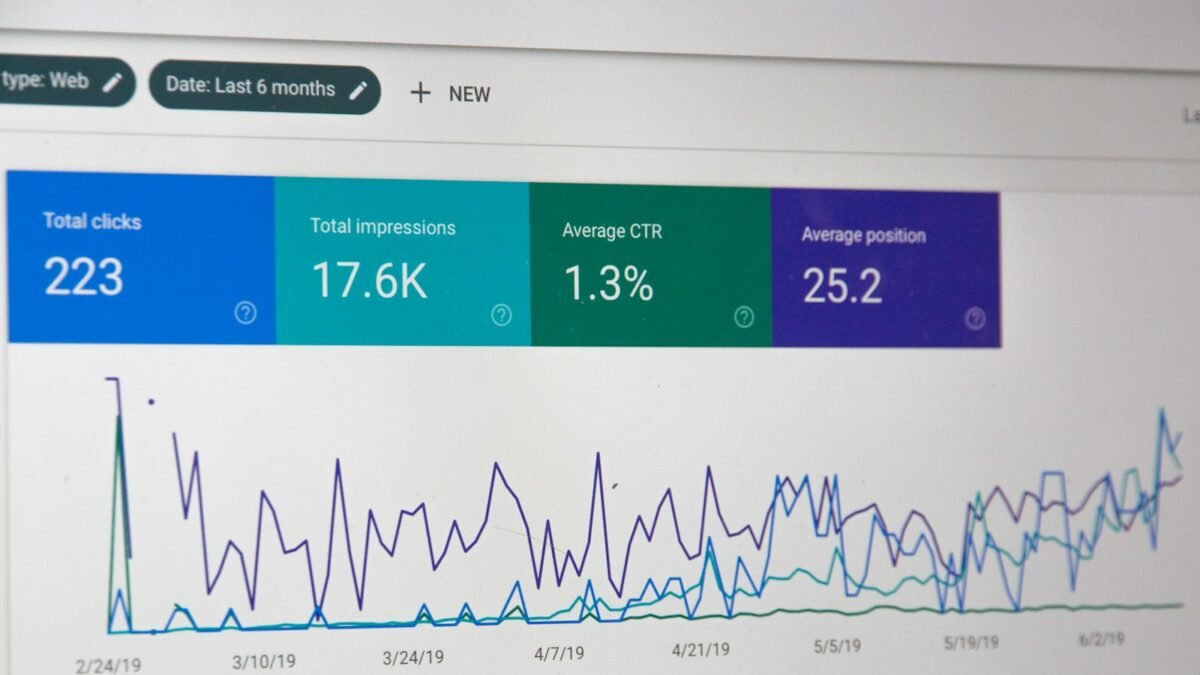
Measurement is changing too. A number of analytics and SEO vendors now offer tools that estimate how often a brand or page is cited in answers from ChatGPT, Perplexity and similar services. Being used as a featured answer is becoming a metric in its own right, alongside traditional rankings and click-through rates.
Common mistakes
Keyword stuffing is now counterproductive. Modern retrieval and language models work on meaning rather than exact word matches. Content without research or references, or content lifted from unreliable sources, is discounted quickly. Writing that appeals to human readers remains essential, but it must also be clear enough for a machine to summarize without distortion.
The direction of travel is clear. ChatGPT, Gemini and Perplexity are no longer only search tools but intermediaries between users and the web. If a growing share of people ask these systems directly instead of opening websites, the publishers whose work appears in the answers will keep their audience, and those who understand that early will have an advantage in the next phase of search.