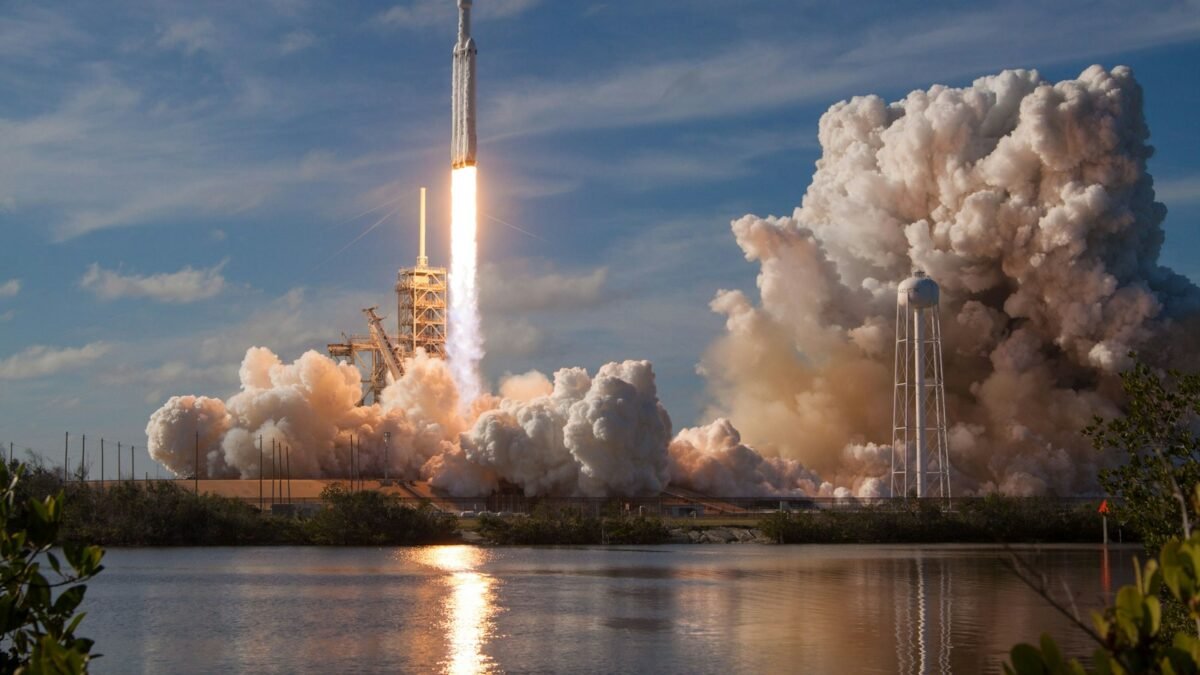
SpaceX, the rocket company Elon Musk founded with the stated goal of making humanity a multiplanetary species, is increasingly describing itself in the language of artificial intelligence. On April 23, the company announced a partnership with Cursor, the maker of an AI coding assistant, that includes an option to acquire the startup for about $60 billion, according to reports from eWeek and Agence France-Presse.
The deal is the clearest sign yet of a strategic shift that has drawn attention from investors and analysts ahead of a widely anticipated SpaceX public offering. A New York Times analysis by Ryan Mac, published this week, framed the change as a move away from the Mars-first mission that defined the company for two decades.
From “Occupy Mars” to orbital data centers
For most of its history, SpaceX’s purpose was unambiguous. Musk has said since the company’s early years that establishing a self-sustaining settlement on Mars is the most important step humanity can take, and the slogan “Occupy Mars” became part of the company’s identity.
In recent months, Musk’s public statements have emphasized a different set of projects: AI data centers in Earth orbit, powered by solar energy and cooled by the vacuum of space; manufacturing facilities on the Moon; and chip production tied to his AI venture xAI, which has been brought closer to SpaceX. Musk has described these as steps toward a future in which AI and automation reduce the need for human labor.
Investor and governance concerns
The pivot has not been universally welcomed. Some analysts quoted in the Times report called the orbital data center plans unrealistic on current technology, and corporate governance specialists noted that a major change in direction shortly before an IPO is normally treated as a warning sign.
Musk’s track record complicates that judgment. His timelines are frequently missed, but several of his long-range bets have paid off. Starlink, SpaceX’s satellite internet service, was widely considered a risky distraction when it began and has since grown into a business with millions of subscribers and a central role in the company’s finances.
Musk himself has characterized the AI push as complementary rather than a replacement. In his telling, orbital computing and lunar industry would generate the resources and capabilities needed to support settlements on the Moon and Mars later.
The Moon moves up the agenda
SpaceX has also talked more about the Moon, a destination Musk once treated as a secondary goal. The company now describes plans for an automated lunar base, and the progress of NASA’s Artemis program has created nearer-term commercial opportunities there. Scientific American reported that some space policy observers worry the company’s AI ambitions could compete for attention with its commitments to Artemis, for which SpaceX is building the Starship lunar lander.
Whether SpaceX remains, at heart, a Mars company or becomes primarily an AI and near-Earth infrastructure business is a question investors will have to weigh when the company’s shares reach the public market.