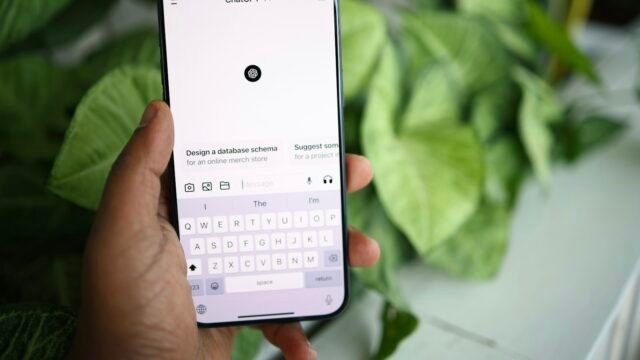
The shift showed up first on young people’s phones. Home screens once dominated by Instagram, TikTok and Snapchat began making room for ChatGPT, CapCut, Temu and a growing set of study tools. Then the download data caught up with what many younger users already felt: utility was displacing entertainment.
In March 2025, ChatGPT became the most downloaded app in the world, excluding games, according to app intelligence firm Appfigures. TechCrunch reported that the app recorded about 46 million downloads that month, pushing past Instagram and TikTok, the two apps that had traded the top spot for years. It was the first time an AI assistant had led the global chart.
From search box to daily assistant
For many younger users, ChatGPT is no longer just an alternative to a search engine. They use it to get started on difficult assignments, work through coursework, prepare job applications, ask for advice and think through everyday decisions. The appeal is availability: an assistant that is always on, answers in plain language and does not judge the question. Users describe saving hours a week, and the habit tends to deepen once it forms.
App analytics reports have pointed to a similar pattern among 18-to-24-year-olds, where shopping app Temu, TikTok and ChatGPT have led download rankings while Instagram and Snapchat work to hold their positions. The old social media incumbents are no longer guaranteed a place on a new phone.
Downloading for a purpose
The broader change is in why apps get installed at all. Young people increasingly choose tools that deliver a concrete result: CapCut for video editing, TikTok for fast information as much as entertainment, study apps for exam preparation, and AI assistants for nearly everything else. Apps that mainly consume time are losing ground to apps that save it. The phone is being treated less as a playground and more as a piece of equipment.
Economic pressure helps explain the shift. This generation faces expensive education, a difficult job market and intense competition, and that context makes efficiency a priority. Preferences are moving, the user base of the big social platforms is aging, and apps that were once considered essential have become optional.
Users who shape the tools
There is a change in attitude alongside the change in apps. Younger users are less inclined to accumulate apps and more inclined to assemble a personal toolkit, judging each addition on speed, usefulness and return on attention. Many treat ChatGPT as the beginning of a new kind of search and expect to keep pace with AI tools as they develop rather than adopt them late.
Some commentators have begun describing this cohort as a human-AI hybrid generation, one that learns, decides and works alongside AI systems as a matter of routine. The label is loose, but the behavior behind it is measurable in the charts. Whether institutions, employers and the social platforms themselves adapt as quickly is an open question. The users, at least, have already made their choice.